Creativity
Improvisation and invention are part of learning from the very first day.

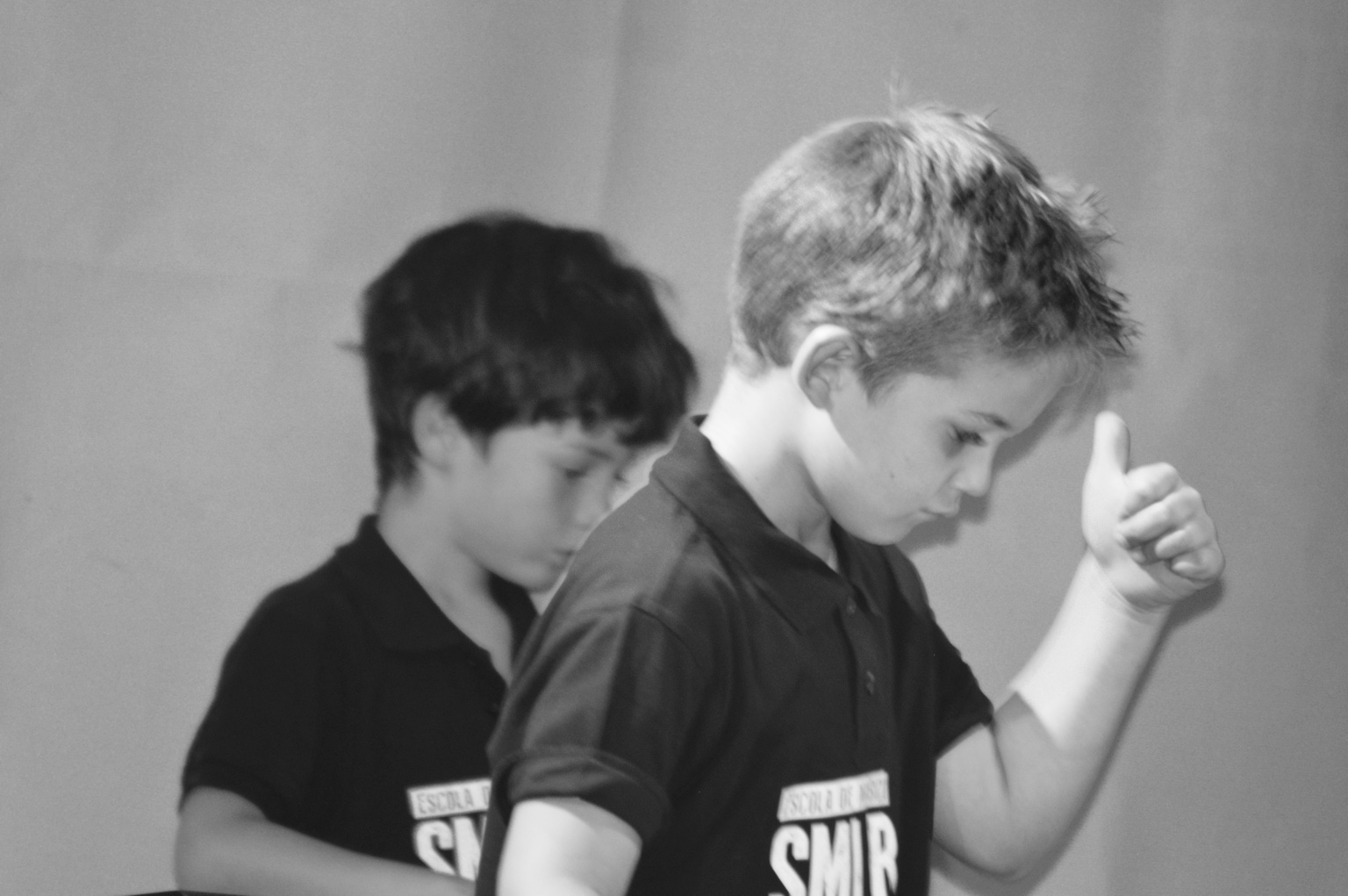
Musical initiation · Ages 3 to 7
Discovering music as a natural language through listening, singing, movement, playing and creating together.
Ask for informationWhat is Fasolet-IEM?
Fasolet-IEM applies the IEM methodology to early musical education. Designed for children aged 3 to 7, its core principles are to nurture creativity and develop the musical ear.
We understand musical education as a shared experience practised in a group. Music is presented as an innate language that helps every student express themselves naturally.
Improvisation and invention are part of learning from the very first day.
Listening, recognising, remembering and understanding music before analysing it intellectually.
Singing, playing and moving with others builds confidence, motivation and enjoyment of music.
Sharing the enjoyment of music with families encourages a positive attitude towards learning.
How do we work?
Activities change constantly and each one develops several skills at the same time. This keeps students active, attentive and motivated as their musical abilities grow.
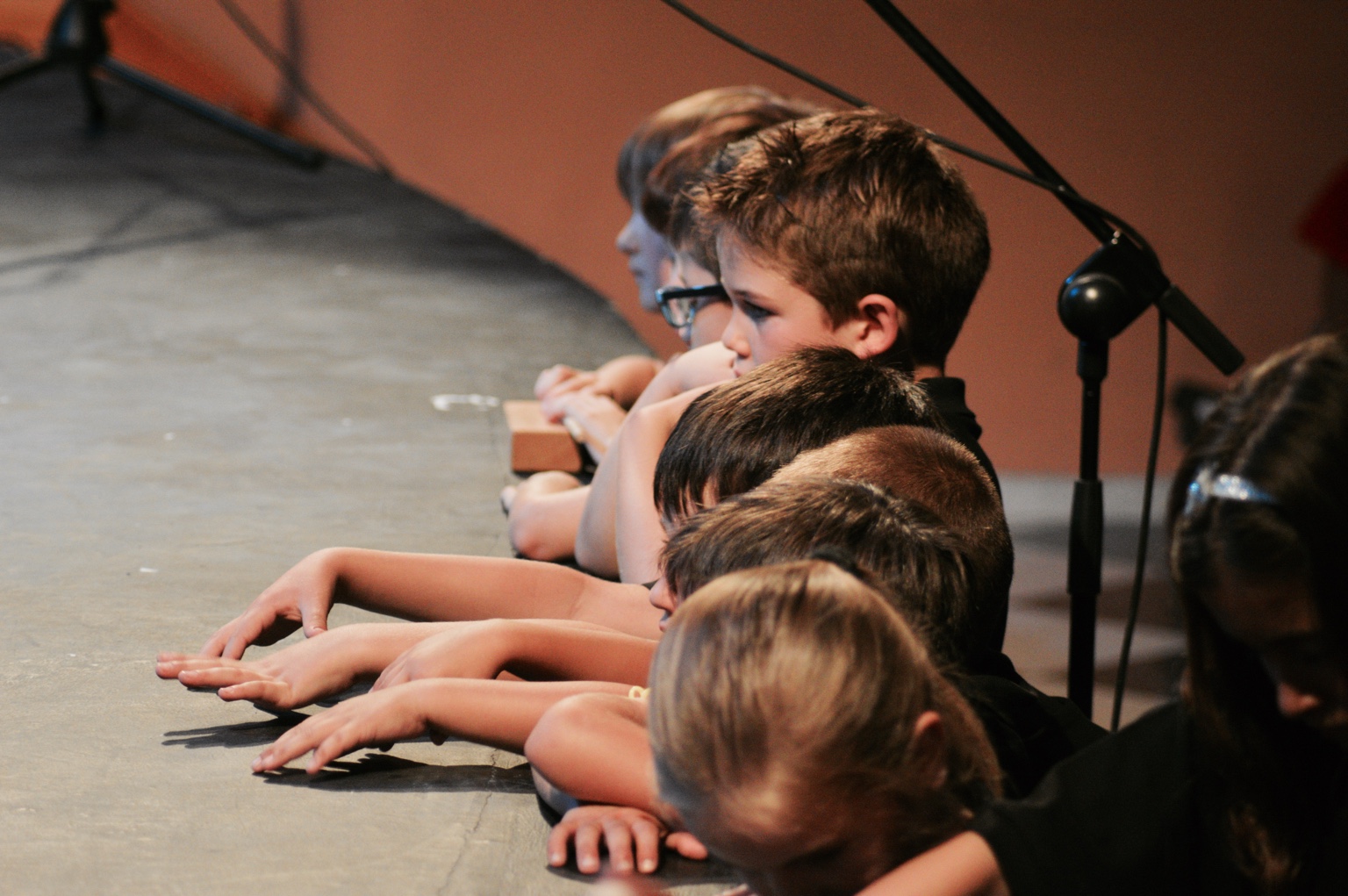
Simple songs capture children’s attention, convey emotion and exercise the memory. Singing with note names helps them connect each sound with its written note.
Through imitation, children learn songs in small motifs and phrases before singing and dancing them with movement. Group singing builds confidence, cohesion and clear vocal expression.
The keyboard develops fine motor skills and invites children to explore sound. It also introduces rhythm, musical notation and the treble and bass clefs.
Listening activities develop attention and concentration while helping children recognise rhythmic stress, the qualities of sound, tonal functions and different musical timbres.
Children invent motifs using elements from each song. Repetition, gradual development and rhythmic dictation nurture creativity, concentration, listening and memory.
Words and rhythm, body and instrumental percussion, group exercises and rhythmic patterns linked to text. Students also create and transform their own exercises.
Through cards, actions and movement, children experience harmonic functions playfully and always through music, gradually developing their inner ear.
Fasolet at SMLR Music School
To find out about groups and timetables, or to ask any questions, simply get in touch.